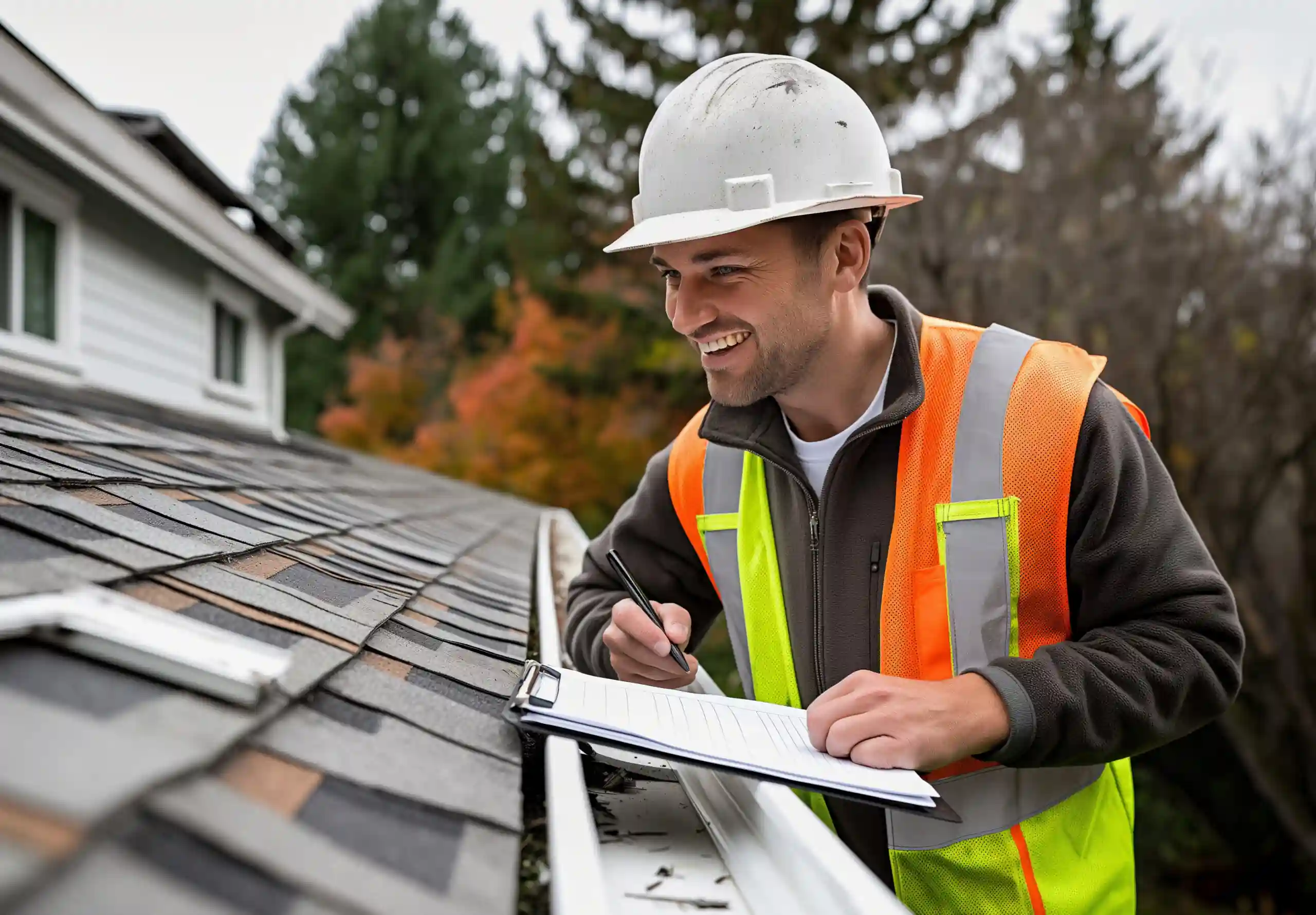
The roof inspection reporting process plays an essential role in maintaining the long-term health of a home. It involves a systematic evaluation using visual assessments and advanced diagnostic tools. This process identifies potential issues that may not be immediately visible. Detailed reports, including photographs and expert recommendations, provide homeowners with vital insights. Understanding these findings can notably influence maintenance strategies, yet many homeowners remain unaware of the specific benefits and common issues highlighted in these reports.
Key Takeaways
- Regular roof inspections help identify issues early, preventing expensive repairs and ensuring long-term home health.
- Detailed inspection reports provide a comprehensive analysis, aiding homeowners in understanding their roof’s condition.
- Advanced diagnostic tools uncover hidden problems, ensuring no underlying issues compromise structural integrity.
- Establishing a maintenance timeline from inspection reports fosters proactive care, extending the roof’s lifespan.
- Clear communication from inspection reports facilitates effective collaboration with contractors and insurance providers for future needs.
Why Roof Inspections Matter for Homeowners
Roof inspections serve as a critical assessment tool for homeowners, providing essential insights into the condition of their roofs. These evaluations are important for maintaining the structural integrity of a home, as they identify potential issues such as leaks, wear, and other damage. Regular inspections help homeowners make informed decisions about necessary repairs or replacements, ultimately safeguarding their investment. The inspection reporting process plays a significant role in this, as it documents findings, offers recommendations, and outlines the urgency of any repairs needed. By understanding the condition of their roofs, homeowners can prioritize maintenance, ensuring long-term home health and minimizing costly future repairs. This proactive approach fosters a sense of security and belonging within the community of responsible homeowners.
What’s Involved in the Roof Inspection Reporting Process?
A thorough roof inspection reporting process encompasses several critical steps that guarantee accurate documentation and assessment of a roof’s condition. First, inspectors conduct a visual examination to identify visible damage or wear. Second, they utilize specialized tools, such as moisture meters and infrared cameras, to detect underlying issues not easily seen. Finally, they compile their findings into a detailed report that includes photographs, descriptions of observed problems, and recommended actions.
- Visual inspection of the roof surface and structure.
- Use of advanced diagnostic tools for hidden issues.
- Creation of an extensive report with actionable insights.
These steps ensure homeowners receive a precise evaluation, fostering informed decision-making and promoting long-term home health.
Top Benefits of a Comprehensive Inspection Report
Thorough inspection reports provide homeowners with significant advantages that extend beyond mere documentation. A detailed inspection report offers an in-depth analysis of a roof’s condition, allowing homeowners to make informed decisions regarding maintenance and repairs. It serves as a valuable reference for potential future buyers, enhancing the property’s value and marketability. Additionally, thorough findings can help identify developing issues early, mitigating costly repairs down the line. The inspection reporting process also establishes a timeline for maintenance, fostering a proactive approach to home care. Ultimately, these reports facilitate communication with contractors and insurance providers, ensuring clarity and alignment on necessary work, thereby promoting long-term home health and stability.
Common Issues Found in Roof Inspection Reports
While conducting a roof inspection, various common issues can emerge, highlighting the importance of the inspection reporting process. Identifying these issues promptly can prevent further damage and guarantee long-term home health. The following are frequently noted concerns in inspection reports:
- Shingle Damage: Missing, cracked, or curled shingles can lead to leaks and structural degradation.
- Flashing Issues: Improperly sealed or damaged flashing around vents and chimneys can allow water infiltration.
- Gutter Obstruction: Clogged gutters prevent proper water drainage, increasing the risk of roof and foundation damage.
Choosing the Right Roof Inspection Professionals
Determining the right professionals for a roof inspection is essential for homeowners aiming to guarantee the integrity of their property. Qualified inspectors should possess relevant certifications and extensive experience in evaluating various roofing materials and systems. Homeowners should seek professionals who utilize advanced technology and methods in their inspection processes, ensuring thorough assessments. Checking for client reviews and references can provide insight into the inspector’s reliability and meticulousness. Additionally, understanding the specifics of the inspection reporting process is significant, as detailed reports highlight findings and recommended actions clearly. Ultimately, selecting proficient roof inspection professionals fosters trust and supports the long-term health of the home, making it a critical decision for any homeowner.
Frequently Asked Questions
How Often Should I Schedule a Roof Inspection?
Homeowners should schedule a roof inspection at least once a year, with additional assessments after severe weather events. Regular inspections guarantee potential issues are identified early, supporting the overall integrity of the home’s structure.
What Should I Do With My Inspection Report?
Upon receiving the inspection report, the homeowner should carefully review the findings, prioritize necessary repairs, consult professionals for clarification, and maintain a schedule for future inspections to guarantee ongoing roof integrity and home safety.
Can I Inspect My Roof Myself?
Self-inspecting a roof is feasible for those with experience. However, a thorough understanding of roofing materials and potential hazards is essential. Professional inspections provide detailed insight, ensuring extensive evaluation through a robust inspection reporting process.
How Long Does a Roof Inspection Take?
A typical roof inspection takes approximately 45 minutes to two hours, depending on the roof’s complexity and condition. Thorough assessments guarantee all potential issues are identified, contributing to informed maintenance and overall home health.
What Costs Are Associated With Roof Inspections?
Costs associated with roof inspections typically include the inspector’s fee, which can range from $100 to $500, additional charges for specialized equipment, and potential repairs identified during the inspection, contributing to overall home maintenance expenses.
Conclusion
To summarize, the roof inspection reporting process is critical for homeowners seeking to maintain the long-term health of their properties. By facilitating a detailed assessment and documenting findings, these reports empower homeowners with the knowledge needed to address potential issues proactively. This not only enhances the structural integrity of the home but also safeguards the homeowner’s investment. Ultimately, investing in professional roof inspections fosters a sustainable approach to home maintenance, preventing costly repairs and ensuring lasting durability.
You May Also Like to Read: